Securing Premier ROI
Explore the Benefits of Hiring a Commercial General Contractor for Optimized Construction Management
Engaging a commercial general contractor can significantly alter the construction oversight procedure. Their expertise makes certain that projects are meticulously planned and carried out precisely. By strengthening communication among all stakeholders, they encourage a collaborative environment. Furthermore, their experience in managing budgets effectively and risk mitigation is critical. Yet, the full measure of their impact is usually more than these basics, uncovering greater merits that can fundamentally alter success criteria.
Proficiency in Project Management
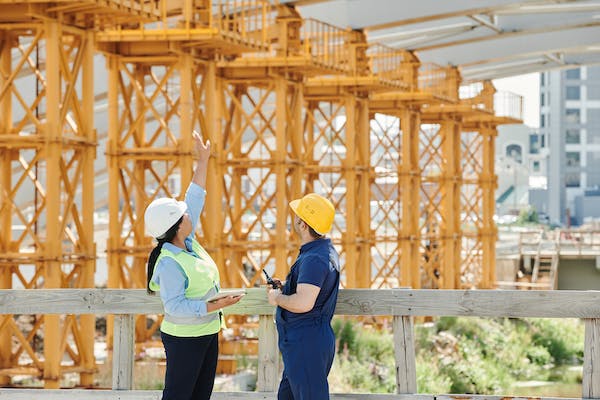
If a commercial general contractor has expertise in project management, they can efficiently supervise the entire construction process, guaranteeing that timelines and budgets are adhered to. Their skill allows them to coordinate different facets of the project, from planning and scheduling to resource allocation. With a sharp grasp of construction methodologies and industry regulations, they can foresee possible problems and apply solutions preventatively.
This expertise also enables them to manage subcontractors and suppliers with competence, making certain everyone understands their duties and obligations. By utilizing project management tools and techniques, they ensure transparency of progress, enabling necessary changes when necessary. Their ability to analyze data and metrics ensures that projects are not delayed, cutting down on delays and cost overruns. Ultimately, a contractor's project management skills contribute greatly to the overall success of construction endeavors, leading to high-quality outcomes and satisfied clients.
Better Communication Among Stakeholders
Clear communication among stakeholders is essential for the success of any commercial construction project, as it encourages cooperation and agreement on objectives. A commercial general contractor functions as the central communication hub between different groups, including architects, engineers, and clients. This centralization of communication streamlines information flow, ensuring that all stakeholders are kept up-to-date on the project, timelines, and potential challenges.
By facilitating regular meetings and utilizing project management tools, the contractor boosts openness and prevents miscommunications. Stakeholders are prone to express worries and give feedback when they believe their views are respected. Furthermore, effective communication can lead to quicker issue resolution, reducing delays and setbacks.
Ultimately, hiring a GC boosts communication but also builds better relationships among stakeholders, establishing a unified environment that is favorable for successful results.
Managing the Budget Effectively
Successful budget management is essential for ensuring that commercial construction projects stay within financial constraints and achieve their goals. A general contractor plays a pivotal role in overseeing and controlling project costs - Hickory top rated Commercial General Contractor. By providing detailed cost estimates and continuous financial tracking, they help prevent budget overruns. Effective contractors use their professional experience to spot potential savings, for example, negotiating prices or improving resource distribution
In addition, they put in place detailed reporting systems, letting stakeholders watch costs closely and make educated decisions. This proactive approach to budget management improves accountability but also promotes openness among all parties involved. In addition, through careful planning and strategic vision, general contractors can anticipate financial challenges and create backup plans, ensuring that projects remain on track financially. In the end, sound financial control by a GC significantly aids the final success of building efforts
Better Time Management and Fewer Setbacks
Even though unpredictable problems may occur during construction projects, hiring a commercial general contractor greatly enhances time efficiency and reduces setbacks. These experts are highly experienced and a strong grasp of construction processes, helping them predict issues before they worsen. Their strong connections with subcontractors and suppliers ensure quick procurement of materials and services, reducing wait times.
Furthermore, commercial general contractors excel at scheduling, ensuring that all project phases moves forward smoothly and according to schedule. They employ specialized tools to watch deadlines and organize tasks, which improves work processes. By resolving problems fast and promptly, they minimize non-productive periods and ensure the project stays on schedule. Additionally, their knowledge of compliance rules prevents delays due to regulations. In the end, the careful supervision offered by a GC leads to a more streamlined construction process, allowing projects to be completed within the desired timeframe.
Quality Control and Oversight
Quality assurance and assurance are key considerations in the choosing of a commercial building contractor. Adopting stringent guidelines and processes, alongside consistent inspection processes, ensures that projects adhere to the necessary requirements. Furthermore, proper handling of a qualified staff contributes considerably to upholding superior results throughout the construction process.
Strict Protocols and Procedures
When hiring a commercial general contractor, knowing their strict protocols and processes for quality control and assurance is vital. These guidelines are designed to copyright excellent construction standards and verify conformity with industry regulations. Building firms utilize extensive procedures that specify required materials, workmanship, and security precautions, guaranteeing that every aspect of the project satisfies set criteria. This dedication to quality does more than cut down on faults but also lessens the chance of pricy corrections. Moreover, contractors typically set up clear communication channels with all interested parties, encouraging partnership and clarity during the building phase. By following these rigorous protocols, commercial general contractors offer reassurance, knowing that the project will be completed effectively and to the best possible standards.
Consistent Inspection Processes
To make certain that construction projects meet the highest standards, commercial general contractors implement consistent inspection processes as a vital element of their quality assurance and review procedures. These processes involve periodic evaluations at different building phases, verifying that materials, workmanship, and total adherence with project specifications are carefully reviewed. By adhering to predefined review timetables, contractors can spot problems quickly, reducing expensive modifications and delays. Moreover, thorough checks encourage ownership among vendors and sub-trades, as they are required to adhere to rigorous quality criteria. This organized method does more than improve the total soundness of the project but also assures investors, certain that their capital is underpinned by a focus on superiority during the building phase.
Skilled Workforce Management
A qualified team is essential for maintaining superior quality in construction projects, as it directly impacts quality assurance and assurance efforts. Effective management of this staff makes certain that each team member is properly educated and possesses the necessary expertise to complete their jobs smoothly. A commercial general contractor usually implements rigorous hiring processes for selecting competent staff, fostering a culture of accountability and excellence. In addition, continuous education initiatives enable workers to keep pace on the latest construction techniques and safety protocols. Through the enforcement of precise quality control measures, the contractor can monitor performance and address any issues promptly, making certain that the final output outperforms client expectations. In the end, skilled workforce management is a vital element of successful construction projects.
Availability of a Pool of Reliable Subcontractors
Maintaining a roster of reliable subcontractors is vital for a commercial general contractor. Strong professional relationships enable the contractor to pick competent specialists who satisfy high quality benchmarks essential for project success. This network boosts operational speed but also guarantees that the work adheres to strict standards of quality.
Established Industry Connections
When navigating the complexities of a construction project, possessing robust industry ties substantially strengthens a contractor's ability to produce superior work. A commercial general contractor typically keeps up a solid base of reliable subcontractors, suppliers, and industry professionals. This network not only facilitates seamless collaboration but also makes certain the highest skill level is available for all parts of the undertaking. Access to seasoned subcontractors enables the GC to pick experts who are masters of their craft, which can lead to better operational speed and higher quality output. Additionally, these connections help the builder to secure advantageous agreements and timelines, ultimately streamlining the construction process. In short, established industry connections are a vital asset that elevates project execution and client satisfaction.
Quality Assurance Standards
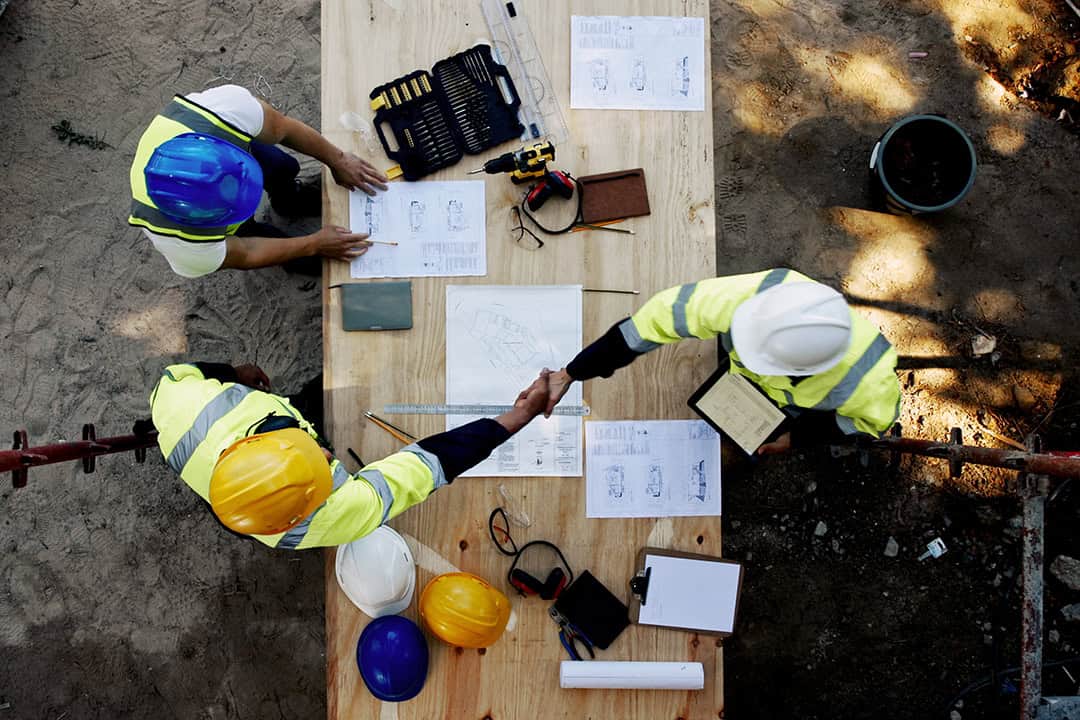
Strict quality benchmarks are fundamental in the construction process, as they guarantee that projects meet specified requirements and keep superior standards of output. A commercial general contractor brings a wealth of experience and oversight, ensuring that all work adheres to these high benchmarks. Through the use of a roster of reliable subcontractors, they can select skilled professionals who excel in their respective trades, additionally improving the overall quality of the project. This collaborative approach promotes responsibility among subcontractors, as they are aware of the expectations set forth by the general contractor. In addition, regular inspections and assessments assist in spotting potential issues early, reducing expensive hold-ups and ensuring that the final result aligns with the client's goals and safety rules.
Controlling Exposure and Troubleshooting
Effective risk mitigation and problem solving are crucial elements in the job of a CGT, as they manage the intricate details of construction projects. By conducting thorough risk assessments, these professionals identify risks that might surface while the project is underway, including hold-ups, exceeding the budget, and dangerous conditions.
Using forward-thinking methods, they formulate emergency measures that limit setbacks and ensure the work proceeds smoothly. If unexpected problems arise, a capable professional acts fast, employing creative solutions to address problems while maintaining schedules and standards.
Additionally, their experience allows them to anticipate typical problems, consult now enabling them to communicate effectively with all parties involved to harmonize goals and address disagreements. Crucially, a general contractor's capacity to manage risks and solve problems boosts productivity but also safeguards the project's overall success, creating a more stable and managed building process.
FAQ
Which Skills Are Important in a Commercial General Contractor?
When choosing a CGT, one should consider experience, relevant licensing and certifications, demonstrated ability to manage projects, strong communication abilities, a solid reputation, and deep knowledge of building codes and safety rules.
What Is the Process for Selecting the Ideal Contractor for My Needs?

To determine the right contractor for a project, it is necessary to review their history, credentials, permits, coverage, their interaction methods, and prior job histories, making sure they match the particular requirements and aims of the undertaking.
Which Kinds of Jobs Do CGTs Usually Manage?
Commercial builders commonly manage many different types of jobs, like corporate structures, shopping centers, distribution centers, dining establishments, and industrial sites. They manage construction processes, ensuring adherence to timelines, budgets, and quality standards in multiple fields.
How Will Using a General Contractor Affect the Total Expense of My Project?
Employing a CGT might increase initial expenses as a result of their overhead. Yet, their skill frequently results in better efficiency, cost savings, and fewer errors, resulting in the job being completed more affordably and on schedule.
Can a General Contractor Help With Permits and Legal Requirements?
A GC is key to getting the required permits and handling all legal necessities (Hickory top rated Commercial General Contractor). This professional expertise ensures adherence to local regulations, minimizing the chance of expensive setbacks and penalties, thereby expediting the project execution for the build